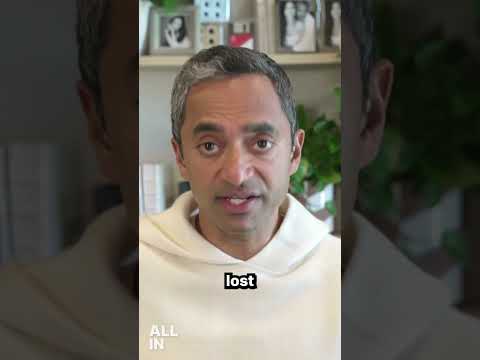
How Matt Mahan Thinks He Can Save California
TL;DR
- Matt Mahan discusses his vision for saving California and why he's running for governor with a focus on practical solutions
- California's decline stems from public sector union influence, regulatory capture, and poor policy decisions in Sacramento that have stifled growth
- Housing crisis driven by excessive regulation, zoning restrictions, and fees that make development economically unviable for builders and unaffordable for residents
- Energy policy failures including gas taxes and poorly implemented green initiatives have created supply issues and higher costs for consumers
- California faces a 1 trillion dollar unfunded pension liability that poses an existential threat to the state's fiscal future
- Discussion of immigration reform, tariffs, populism, and the need for pragmatic policies that balance economic growth with social stability
Key Moments
Episode Recap
In this solo episode, the All-In hosts dive deep into Matt Mahan's vision for California's future and his gubernatorial campaign. The episode opens with Mahan explaining his motivation for running and his proposed solutions to the state's mounting challenges. The conversation quickly moves to analyzing how California transformed from a thriving economic powerhouse to a state plagued by homelessness, business exodus, and declining quality of life. The hosts and guest examine the structural failures that led to this deterioration, with particular focus on how public sector unions and special interest lobbying have captured Sacramento's political process. Union influence over pension liabilities, job protections, and budget priorities has crowded out resources for essential services and forward-looking investments. A substantial portion of the discussion tackles California's housing crisis, exploring how decades of restrictive zoning regulations, environmental reviews, and excessive fees have made housing development economically unviable. When builders cannot profit from new construction and residents cannot afford existing homes, the entire system fails. The conversation highlights how regulatory complexity and delays add hundreds of thousands of dollars to project costs, making affordable housing nearly impossible. Energy policy receives significant attention as well, with the hosts and Mahan discussing how California's green initiatives, when poorly implemented alongside gas taxes, have created energy shortages and driven up costs for both consumers and businesses. The state's over-reliance on intermittent renewable energy without adequate storage or backup capacity has created reliability concerns. Perhaps most alarming is the discussion of California's 1 trillion dollar unfunded pension liability, a financial time bomb that threatens every future budget and makes it nearly impossible to fund current services or invest in new priorities. The episode also ventures into broader national topics including Trump, tariffs, and populism. The hosts debate whether Trump's tariff policies represent dangerous protectionism or necessary corrections to unfair trade practices. There's discussion about the risks of populism as a governing philosophy and how it can appeal to frustrated voters while potentially creating worse outcomes. Finally, the conversation addresses immigration reform, exploring both the operational challenges of ICE and potential pathways to legal status for undocumented immigrants. Throughout the episode, the hosts bring their characteristic blend of skepticism and analysis to California's problems, examining both the policies that created these crises and potential solutions.
Notable Quotes
“California went from being the land of opportunity to a place where people are fleeing because they can't afford to live here”
“Public sector unions have essentially captured the state government and prioritize their interests over the interests of California residents”
“We've made housing so expensive through regulation and fees that it's impossible for regular people to afford to live in California”
“The pension liability is the single biggest threat to California's fiscal future and has to be addressed”
“We need pragmatic solutions focused on what actually works, not ideology”