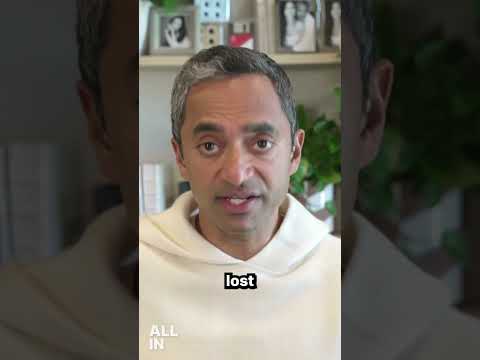
“Stop Blaming Everyone Else”: David Friedberg on Personal Agency in the Age of AI
TL;DR
- David Friedberg explores the concept of personal agency and how individuals can maintain control over their lives in an AI-driven world
- The hosts discuss how blaming external factors prevents people from taking responsibility for their outcomes and decisions
- AI is reshaping opportunity structures, but individual choice and effort remain critical determinants of success
- Friedberg argues against victimhood mentality and advocates for focusing on what individuals can actually control
- The conversation examines how technology amplifies both capabilities and accountability in modern life
- Taking personal agency seriously means recognizing that outcomes depend more on decisions than on circumstances
Key Moments
Episode Recap
In this solo episode of All-In Podcast, David Friedberg takes center stage to discuss a theme that resonates deeply in today's rapidly evolving technological landscape: personal agency and individual responsibility in the age of artificial intelligence. Rather than accepting a fatalistic view where external forces determine outcomes, Friedberg makes a compelling case that individuals maintain far more control over their futures than they typically acknowledge.
The core thesis of the episode centers on a simple but profound idea: stop blaming everyone else. Friedberg argues that the tendency to attribute failures and setbacks to external circumstances, market conditions, or the actions of others represents a fundamental abdication of personal responsibility. This mindset, he contends, is particularly prevalent in discussions about AI, where many people frame technological change as something happening to them rather than something they can actively shape through their own choices and efforts.
Throughout the conversation, Friedberg challenges the hosts and listeners to examine where they have actually made deliberate choices versus where they have passively accepted circumstances. He explores how this distinction manifests across business, career development, and personal life. The discussion touches on how AI is creating new opportunity structures while simultaneously raising the stakes for decision-making. Those who actively engage with technological change and develop relevant skills will thrive, while those who wait for circumstances to improve will fall behind.
One particularly important theme that emerges is the difference between having obstacles and having an excuse. Friedberg acknowledges that not everyone starts from the same position, and external factors do matter. However, he argues that dwelling on these inequalities becomes counterproductive when it prevents people from taking action within their sphere of influence. The podcast explores numerous examples of individuals who faced significant constraints but achieved meaningful success through deliberate effort and smart decision-making.
The conversation also examines how modern technology has actually increased transparency and accountability. With AI tools and internet connectivity making information and capabilities more accessible than ever, the traditional excuses about lacking resources or information hold less weight. This democratization of capability means that personal agency has arguably become more important, not less.
Friedberg discusses how this philosophy applies specifically to career decisions and entrepreneurship. He challenges the notion that successful people simply got lucky or had better starting conditions. Instead, he points to the countless small decisions, course corrections, and persistent efforts that separate thriving individuals from those who remain stuck. In the context of AI, this means actively learning new skills, experimenting with new tools, and positioning oneself to benefit from technological change rather than being victimized by it.
The episode serves as both a reality check and an empowering message. Friedberg isn't dismissing real obstacles or systemic inequalities, but rather arguing that focusing excessively on these factors becomes an obstacle in itself. By shifting perspective toward what individuals can control, the All-In team explores how this mindset change can be transformative.
Notable Quotes
“Stop blaming everyone else and start taking responsibility for the outcomes in your life”
“AI is creating new opportunities, but only for those actively engaged in shaping their future”
“The difference between successful people and unsuccessful people often comes down to the small decisions they make every single day”
“Having obstacles is part of life, but using them as excuses prevents you from taking action”
“Personal agency has become more important in the age of AI, not less, because information and capability are more accessible than ever”